Skip to content

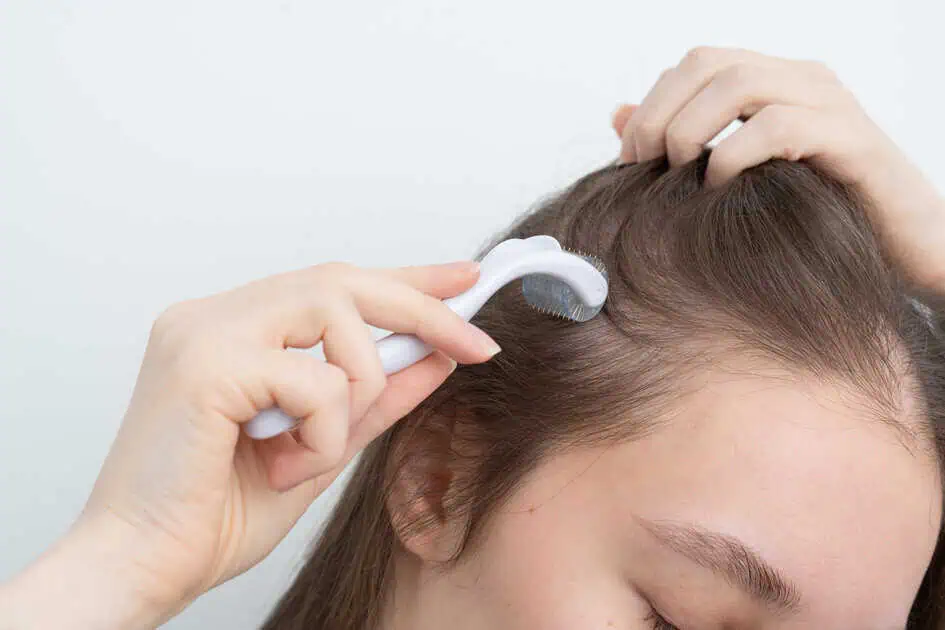
You notice more hair in the shower drain. Your part looks wider. Your hairline doesn’t sit where it used to. For many people, these moments spark late-night searches and quiet worry. The internet offers endless opinions, before-and-after photos, and bold promises, but minimal context.
That is where Hair loss treatments fit in. At SkinSplendid, we offer Hair loss treatments. Are you near New York? If you are seeking Hair Loss Treatments in New York, NY, our medical team will help you determine whether thesehair loss treatment options align with your aesthetic goals.
Why Hair Growth Takes Time
Hair does not respond like skin, where you might notice glow or smoothness within days. Hair follicles operate on a cycle. When shedding is triggered by stress, hormones, genetics, or inflammation, follicles can spend more time in the “resting” phase. Even after you begin treatment, your body still needs time to:
- Improve scalp environment and circulation
- Deliver growth factors and nutrients to follicles
- Produce new hair shafts that are thick enough to notice
- Replace shed strands with stronger regrowth
This is why the timeline can feel slow at first, even when your follicles are responding.
What “Results” Usually Look Like (And When)
People define results differently. Some want less shedding. Others want the hairline to look fuller. Many want density in photos or under bright light. Here is what many patients commonly notice over time, especially with regenerative approaches like PRP and PRFM.
Weeks 2 to 6: Early Signals
In the first month or so, changes are subtle. Some people notice slightly reduced shedding when showering or brushing. Others feel their scalp is less irritated or dry. You may not see obvious “new hair” yet, but early improvements can be a sign your scalp is responding.
Months 2 to 4: Less Shedding, Early Regrowth
This is often when progress becomes more noticeable. Shedding may slow down further, and delicate “baby hairs” may appear along the part line or hairline. The texture can begin to feel a bit stronger, although it is still early.
Months 4 to 6: Visible Density Improvements
For many people, months four through six are when the mirror starts to feel more encouraging. Hair may look fuller in your part, ponytail, or around thinning zones. This is also when consistent treatments and good at-home support matter most.
Months 6 to 12: Peak Changes and Maintenance Planning
Hair thickening often continues across the first year, especially with a structured plan. At this stage, your provider may discuss maintenance sessions to help sustain gains.
What Affects How Fast You See Results?
Two people can do the same treatment and see different timelines. That is not a failure. It is biology. The biggest factors include:
1) The cause of hair loss
Genetic thinning, postpartum shedding, thyroid changes, nutritional deficiency, and inflammatory scalp conditions behave differently.
2) How long has it been happening
Early intervention often responds faster than hair loss that has progressed for years.
3) Consistency
Many plans are designed as a series. Skipping sessions or stopping too early can slow progress.
4) Lifestyle and scalp health
Stress, sleep, smoking, and certain medications can influence response. Scalp irritation and buildup can also limit results.
5) The treatment you choose
Not all hair loss treatment options have the same pace. Some prioritize reducing shedding, while others stimulate follicles more directly.
SkinSplendid Services That Can Support Hair Restoration
SkinSplendid offers regenerative treatments designed to stimulate natural growth and improve hair density. The most hair-focused option listed is Platelet Rich Fibrin Matrix (PRFM) for Hair Loss.
Platelet Rich Fibrin Matrix (PRFM) for Hair Loss
This treatment uses growth factors derived from your blood to activate follicles and encourage new growth, and it is used for both men and women experiencing thinning. If you are comparing a classic PRP hair loss treatment to PRFM, our provider can explain which is best for your hair loss pattern, scalp condition, and goals. Many people use PRP as a general label, but your consultation is where you get clarity on what you are actually receiving and why.
A Note About Complementary Regenerative Options
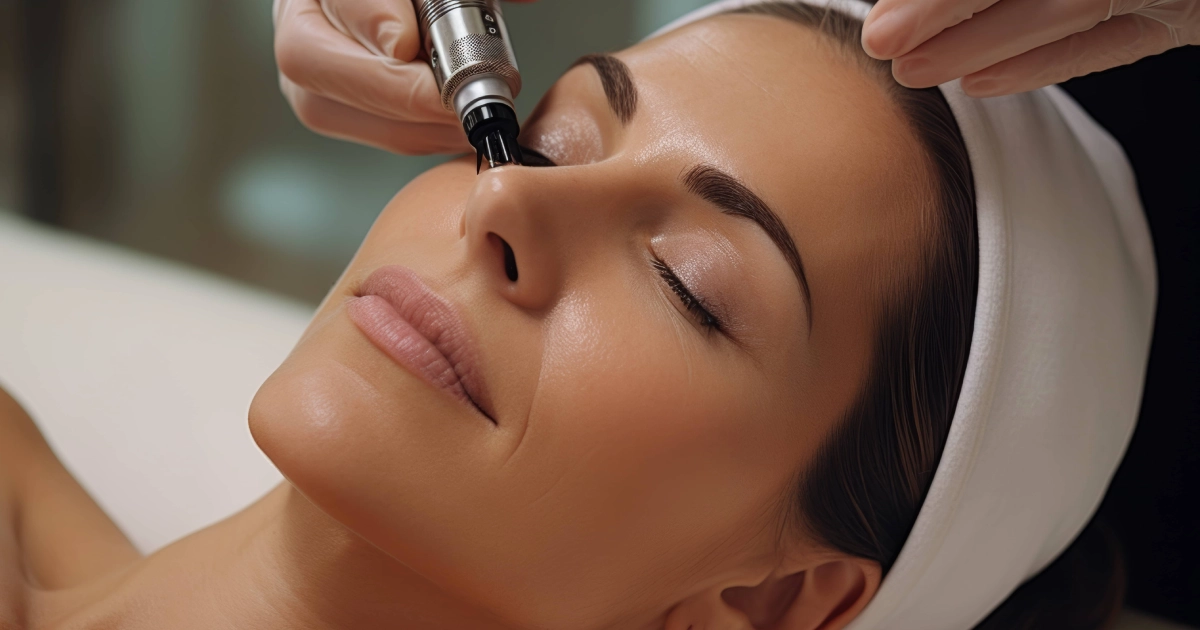
SkinSplendid also offers PRFM for undereyes and/or face, SkinPen® microneedling, and Aquagold® with customized serums that may include Botox®, Dysport®, and dermal fillers. These are not hair treatments, but they reflect SkinSplendid’s broader focus on regenerative and results-driven care.
How To Know If Your Treatment Is Working
It is easy to miss progress if you only rely on memory. Lighting, styling, and even seasonal shedding can distort what you think is happening. A better approach is to track:
- A consistent photo every 4 to 6 weeks
- Changes in shedding from daily routines
- How does your part look under bright light
- How your hairline frames your face
This is also where the phrase hair loss treatment before and after becomes useful, not as marketing, but as a practical way to measure changes you might not notice day to day.
What About Hairline Changes?
Hairlines can be emotional. A shifting temple area or thinning edges can make styling frustrating and photos stressful. If your primary concern is a receding hairline treatment, ask your provider how your pattern of loss typically responds and what realistic regrowth looks like for your follicle health.
Where Prescription Treatments Fit In
Some people benefit from combining in-office regenerative treatments with prescription hair loss treatments. That is a conversation for our licensed providers, because the right medication depends on your medical history, hormone profile, and type of loss. For many patients, combination plans can support both reduced shedding and improved density, but they should always be personalized and monitored.
Frequently Asked Questions
Is shedding normal after starting treatment?
Yes. Temporary shedding can happen within the first few months as follicles reset. This phase often means the treatment is affecting the growth cycle. Shedding usually slows as healthier hair begins to grow.
Can PRP hair loss treatment work for a receding hairline?
PRP hair loss treatment can support a receding hairline treatment plan when follicles remain active. Results vary, but many patients see softening and improved density around the temples over several months.
How long do results last?
Results last longer with maintenance. Some patients continue long-term prescription hair loss treatments. Others schedule periodic in-office sessions to support ongoing scalp health & growth.
Glow Up Your Hair
Hair loss treatments at SkinSplendid work best when guided by realistic expectations & expert care. Progress takes time, but the right plan can reduce shedding, support regrowth, & improve confidence. If you want clarity on which timeline makes sense for your hair, professional guidance can help. Schedule Your Hair Check Today!